Log in
 Free Trial
 jacob-thomason
  85 views
  1
1
Selecting the right rental market is more challenging than it appears.
One city may look great on paper, but it can eat into your cash flow, while another remains affordable but struggles with tenant demand.
That’s why location matters more than almost anything else in real estate investing. With home prices rising and more people choosing to rent, the right market can quietly turn into a steady income machine.
In this guide, we’ll be breaking down the best rental property markets in the USA and sharing what actually makes them work, so you can invest in rental property with clarity instead of guesswork.
Where Is the Best Rental Market in the US: 10 Best Rental Property Markets
There’s no one perfect rental market that fits everyone. What works great for one investor may not suit another. And exactly this is the reason why it helps to look at different cities through a practical lens.
Below, we’ve shortlisted some of the best rental property markets in the US right now and share why they stand out for long-term rental demand and steady returns.
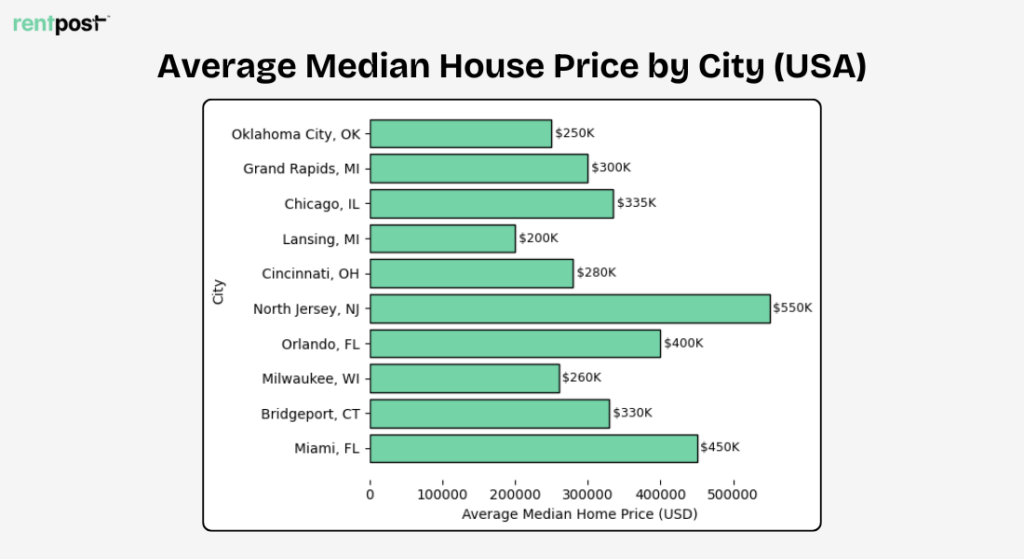
Find the average median house Price by City (USA):
1. Miami, FL
Miami works as a rental market because demand here comes from multiple directions at the same time. You are not relying on just one type of tenant. Between local workers, remote professionals, international movers, and long-term renters priced out of buying, rentals stay in demand. Lifestyle plays a big role too. Many people want to live here first and decide later, which keeps rental turnover healthy and predictable.
Key Strengths:
- Year-round rental demand driven by job growth and migration
- High rent potential compared to national averages
- Large pool of renters choosing lifestyle flexibility over ownership
- Popular with remote workers and relocating professionals
- Long-term appreciation supported by limited land availability
Median Home Price: Around low to mid-$400,000, depending on neighborhood and property type.
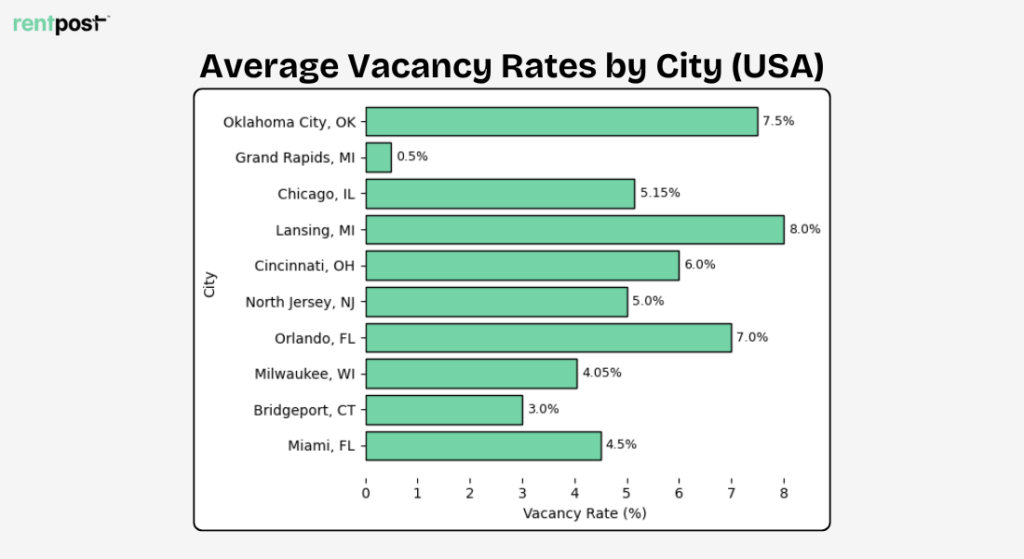
Vacancy Rate: 4% and 5%
Investor Considerations:
Miami is not a low-entry market, so numbers matter more here. Insurance costs, HOA fees, and property taxes can impact margins if overlooked. Flood zones and building age also need careful review. That said, investors who focus on rental-friendly neighborhoods and long-term demand often benefit from significant rent growth and stable tenant interest.
2. Bridgeport, CT
Bridgeport attracts renters because it offers a practical middle ground. It gives people access to jobs, transport, and city life without the price tag of larger nearby markets. Many residents here are renters by choice, not because they have to be. For them, renting offers flexibility while they work, commute, or settle into the area. That steady mindset keeps rental demand active throughout the year.
Key Strengths:
- Easy rail and road access to nearby job hubs
- Rental demand supported by long-term residents
- Lower purchase prices compared to surrounding cities
- Stable renter base, not driven by short-term trends
- Less competition from large investors
Median Home Price: Most properties fall in the $300,000 to $360,000 range, depending on location and condition.
Vacancy Rate: 2% and 4%.
Investor Considerations:
Bridgeport rewards investors who think long term. Some properties need updates, so planning for basic fixes is smart. Choosing streets with a strong rental history makes a big difference here. While returns may not spike overnight, investors often appreciate the steady income and lower entry pressure. For those looking to avoid overheated markets and focus on dependable rentals, Bridgeport can be a calm and workable choice
3. Milwaukee, WI
Milwaukee earns its place on this list through balance. Housing costs stay reasonable, jobs remain steady, and renting feels like a long-term choice for many residents. The city has a strong mix of manufacturing, healthcare, education, and local businesses, which keeps people rooted here. Homeownership feels out of reach for some, so rentals continue to play a big role in the housing market.
Key Strengths:
- Affordable home prices compared to national averages
- Steady renter demand from working professionals and students
- Strong local job base supports long-term rentals
- Rent prices remain stable without sharp swings
- Good potential for consistent monthly cash flow
Median Home Price: Most homes sell between $240,000 and $280,000, depending on neighborhood and size.
Vacancy Rate: 3.6% to 4.5%.
Investor Considerations:
Milwaukee favors investors who focus on fundamentals. Older properties may need updates, but purchase prices leave room for improvements. Snow-related maintenance and heating costs should be planned for. Neighborhood selection matters more than chasing high rents. When chosen carefully, Milwaukee can offer steady income, manageable expenses, and fewer surprises compared to hotter markets.
4. Orlando, FL
Few cities attract as many new residents as Orlando, and that constant movement feeds the rental market. People arrive for jobs, schools, lifestyle changes, or simply a fresh start. Many are not ready to buy right away, so renting becomes the natural first step. This inflow keeps demand active across different neighborhoods and property types, not just in tourist-heavy areas.
Key Strengths:
- Decent population growth from relocations and career moves
- Large renter base tied to healthcare, education, and service sectors
- High demand for both apartments and single-family rentals
- Renters often stay medium to long term before buying
- Year-round activity reduces seasonal gaps
Median Home Price: Most homes are priced between $380,000 and $420,000, depending on location and size.
Vacancy Rate: 6% to 8% range
Investor Considerations:
Orlando rewards investors who look beyond tourist zones. Insurance, HOA fees, and property taxes should be reviewed carefully before buying. Some areas have stricter rental rules, so local knowledge matters. Properties near job centers and residential communities tend to perform better for long-term rentals. With smart planning and realistic expectations, Orlando can deliver steady rent and dependable tenant demand.
5. North Jersey, NJ
Life moves fast in North Jersey, and that pace fuels the rental market. Many residents work in New York City or nearby business hubs but prefer living a little outside the chaos. Renting gives them flexibility, shorter commitments, and easier moves as jobs or family needs change. With limited space for new housing and demand, rentals remain a major part of daily life here.
Key Strengths:
- Heavy renter demand from commuters and hybrid workers
- Public transport access into New York City
- Limited housing supply keeps rentals in demand
- Higher rent ceilings compared to many suburban markets
- Stable demand across apartments, condos, and townhomes
Median Home Price: Most properties fall between $520,000 and $580,000, depending on town and proximity to transit.
Vacancy Rate: 4% to 6%
Investor Considerations:
North Jersey comes with higher entry costs, so careful planning is important. Property taxes can be significant, and older buildings may need updates. On the upside, tenant demand is steady, and renters often stay longer due to work commitments. Investors who focus on transit-friendly locations and well-maintained properties often see reliable rent payments and lower turnover over time.
6. Cincinnati, OH
Cincinnati appeals to rental investors because it feels predictable, which is something many markets lack today. Many residents rent long term because buying is still a stretch for them, even though home prices remain reasonable compared to national averages. That balance keeps demand stable without wild ups and downs. Another reason Cincinnati stands out is its neighborhood variety. You have areas that attract young professionals, others that suit families, and pockets that work well for students.
Key Strengths:
- Affordable entry prices compared to most US cities
- Good renter demand from healthcare and education workers
- Stable job market supports long-term tenants
- Wide range of neighborhoods with rental potential
- Less competition from large institutional investors
Median Home Price:
Most homes are priced between $260,000 and $300,000, depending on location and condition.
Vacancy Rate: 5% to 7%
Investor Considerations:
Cincinnati rewards investors who focus on fundamentals. Older housing stock may need updates, so budgeting for maintenance is important. Neighborhood selection matters more than chasing high rents. While appreciation may feel slower than coastal markets, many investors value Cincinnati for reliable cash flow, manageable costs, and fewer surprises.
7. Lansing, MI
Lansing often surprises investors who take a closer look. As Michigan’s capital city, it has a steady flow of government employees, medical workers, and students from nearby universities. This, in turn, creates a rental base that stays fairly consistent throughout the year.
For the housing prices, they remain approachable in Lansing, which lowers the pressure on upfront investment. Renters here tend to look for practical homes rather than luxury units, making it easier to keep properties occupied without heavy upgrades.
Key Strengths:
- Reliable renter base tied to government and education roles
- Lower purchase prices compared to larger Midwest cities
- Demand spread across apartments and single-family homes
- Fewer sudden rent swings, making income easier to plan
- Suitable for buy-and-hold rental strategies
Median Home Price: Most homes are priced between $180,000 and $220,000, depending on neighborhood and property size.
Vacancy Rate: Vacancy generally ranges from 7% to 9%.
Investor Considerations:
Lansing is absolutely best for investors who value patience. Rent growth is gradual, not aggressive, so expectations should stay realistic. Older homes may need routine care, especially during colder months. However, great tenant demand and lower entry costs often help balance expenses.
For investors looking to build long-term rental income without chasing trends, Lansing offers a practical and grounded option.
8. Chicago, IL
Chicago offers rental investors something many cities can’t: scale. With a large population and constant movement across neighborhoods, rentals here rarely sit empty for long. People move to Chicago for jobs, education, and lifestyle, and many choose to rent for years before even thinking about buying. The city’s size also means demand comes from many directions, not just one group. Another thing that makes Chicago interesting is its neighborhood diversity.
Each area almost feels like a small city of its own. Some attract young professionals, others work well for families or students. This allows investors to pick a rental strategy that fits their budget instead of forcing a single approach.
Key Strengths:
- Large renter population across multiple income groups
- Even when buying slows, renting continues to stay relevant
- Consistent rental demand tied to jobs and universities
- Variety of property types from apartments to multi-units
- Easier to adjust rent based on local neighborhood trends
Median Home Price: Most properties fall between $310,000 and $360,000, depending on area and building type.
Vacancy Rate: 4.7% to 5.6%
Investor Considerations:
Chicago requires careful area selection. Property taxes can be high, and local regulations differ by zone. Older buildings may need upgrades. Still, investors who study neighborhoods closely often benefit from reliable tenant demand and steady rental income over time.
9. Grand Rapids, MI
Grand Rapids has quietly built a reputation as a renter-friendly city without the noise of bigger markets. It attracts people who want a balanced lifestyle, steady work, and affordable living. Many residents move here for jobs in public and private sectors, then choose to rent while they settle in. The rental market here feels practical. Renters are usually looking for clean, well-kept homes rather than luxury spaces, which helps investors keep costs under control. Neighborhoods are close-knit, and tenant turnover tends to be lower when properties are priced fairly.
Key Strengths:
- High renter demand tied to local job growth
- Home prices remain approachable for new investors
- Lower tenant turnover compared to larger cities
- Demand spread across apartments and single-family homes
- Growing appeal among young professionals and families
Median Home Price: Most homes are priced between $280,000 and $320,000, depending on area and property size.
Vacancy Rate: Nil to under 1%
Investor Considerations:
Grand Rapids suits investors who prefer calm markets over fast-moving ones. Rent growth is gradual, so patience matters. Some older homes may need updates, especially insulation and heating. Investors who focus on residential neighborhoods and long-term tenants often find this market reliable and easier to manage over time.
10. Oklahoma City, OK
Oklahoma City stands out for one simple reason: things move at a manageable pace here. Housing remains affordable, people relocate for work, and renting is often the first choice before committing to ownership. Many residents come for roles in energy, aviation and logistics, and they usually rent while figuring out long-term plans. This creates a rental environment that stays active without dramatic swings. The city also benefits from space. Unlike dense metro areas, Oklahoma City offers larger homes, quieter neighborhoods, and practical layouts that renters appreciate.
Key Strengths:
- Lower purchase prices compared to most US markets
- Consistent renter base tied to local industries
- Less pressure from large institutional buyers
- Practical housing preferences reduce upgrade costs
- Suitable for long-term rental setups
Median Home Price: Most properties are priced between $230,000 and $270,000, depending on neighborhood and home size.
Vacancy Rate: 5% and 10%
Investor Considerations:
Oklahoma City suits investors who prefer clarity over speculation. Rent increases tend to be gradual, so expectations should stay grounded. Maintenance costs remain reasonable, and tenant screening helps avoid issues. For those looking to build rental income quietly and consistently, this market offers room to do so without unnecessary complexity.
Final Words
So, the right rental market in the USA isn’t about hype, it’s about understanding demand, numbers, and long-term potential. Every city on this list offers something different, so the best choice depends on your budget, goals, and risk comfort.
Take time to study the local market, run the numbers, and think long term. A well-chosen rental property can quietly build steady income and peace of mind, and that is what smart investing is really about.
Author