Log in
 Free Trial
 jacob-thomason
  87 views
  1
1
Vacation rental owners often face unclear regulations, inconsistent pricing decisions, operational delays, and low booking visibility due to the absence of a structured business plan.
These issues lead to unstable revenue, higher operating costs, inefficient workflows, and missed opportunities in competitive markets. Without a defined approach, property setup, guest management, and marketing efforts become difficult to control.
In this guide, you will find a clear and practical framework for creating a complete vacation rental business plan for 2026. It covers goal setting, guest profiling, property preparation, pricing structure, marketing strategy, financial planning, and operational workflows.
What Is a Vacation Rental Business Plan?
You can think of a vacation rental business plan as a simple roadmap that shows how your rental will earn, operate, and grow. It explains who you want to host, how your place will stand out, and what you need to run it smoothly.
You cover your pricing, your expected costs, and the steps you will use to keep bookings coming in. We put all of this in one place, so you can stay on track and build a rental that brings consistent results without guesswork.
Manage your properties smoothly from lease application to move-out. Our tools handle every step, saving you time and hassle.
Key Things to Consider Before Creating Your Vacation Rental Business Plan
Before you map out your vacation rental business, you need a few basics in place. This is the part where you look at your goals, your guests, and the work your property will need.
Study Local Rules and Permits
Short-term rentals must follow city and state rules, and these rules change often. Some places ask you to register your rental before hosting. Others expect you to meet safety standards, such as smoke alarms, first aid kits, or clear emergency numbers. A few cities limit how many nights you can rent out each year, e.g., Los Angeles caps rentals at 120 nights for a primary residence unless a costly extended-home-sharing permit is obtained. Staying updated protects you from fines and gives guests confidence that your place is safe and legal.
Understand Full Operating Costs
Many new hosts focus only on property price, but running a rental has several ongoing costs. Toiletries, repairs, utilities, pest control, platform fees, and maintenance all add up. Upgrades such as new mattresses, blackout curtains, and stronger appliances can also appear over time. When you know your total cost range, you set steady prices and avoid unwanted surprises.
Study the Strengths of Your Location
Every area has something that draws visitors. Your job is to understand what your surroundings offer. Homes near airports or business zones may attract workers on short trips. Properties close to lakes, stadiums, or parks often attract vacationers. Rural areas can still win guests by offering peace, views, or unique local activities. Once you understand what guests come for, you can highlight it in your listing and adjust your pricing to match demand.
Check Your Competition
Nearby rentals show you the current market. Pay attention to the photos they use, the amenities they highlight, the tone of their listings, and the type of reviews they receive.
Their strengths help you understand what guests appreciate, while their weak points show where you can stand out. This step helps you set your own standards and avoid guesswork.
Set Clear Income Goals
Your purpose for hosting affects many choices. Some people want regular monthly income, while others aim to cover their mortgage or build long-term wealth. A few hosts treat vacation rentals as a part-time hobby. Knowing your goal shapes your pricing style, your spending limits, and the amount of time you plan to invest each week. Good goals keep your effort aligned with your expectations.
Focus on Guest Experience
A smooth guest stay builds trust. Clear instructions, hygienic rooms, working appliances, and quick replies show guests that you care. Many travelers prefer hosts who fix issues fast and maintain simple check-in steps. When guests feel taken care of, they leave strong reviews, and higher ratings improve your visibility on booking sites.
Prepare for Risks Early
Vacation rentals face unpredictable situations. Storms, cancellations, property wear, and unexpected repairs can show up at any time. A good insurance plan, a backup cleaner, and fair house rules lower the pressure during busy seasons. Early preparation helps you handle bumps without losing income.
Use Helpful Tools and Software
Managing bookings manually works at first, but it becomes stressful as more guests arrive. Property management software keeps your calendar synced, sends reminders, manages payments, and stores guest chats in one place. These tools save hours each week and help you avoid double bookings or missed messages. They also support growth when you take on more properties.
How to Create a Vacation Rental Business Plan?
Building a vacation rental business plan keeps you focused, helps you handle money better, and makes daily work easier. But how to create a vacation rental business plan? Below is a step-by-step plan that shows you how to set things up in a way that actually works in real life.
Step 1. Set Your Main Purpose
Your purpose guides every move you make. Maybe you want higher earnings, or you want a calm setup with fewer headaches, or you want a place that stays booked most months of the year. When you choose your purpose, you avoid random decisions. For instance, if you want long stays, you set weekly discounts and add a small workspace. If you want fast turnover, you focus on simple check in steps and easy cleaning.
Step 2. Understand Your Ideal Customer
Bookings grow when your rental matches what your guests want. For families, you may add a crib, extra towels, and a microwave. If you want business travelers, you set up fast Wi-Fi, a desk, and a quiet space. If you want couples, you focus on warmth, comfort, and small touches that make the stay feel special.
Step 3. Plan Your Property Setup
Here, you focus on the space itself. List what you already have and what needs to be improved. A worn out sofa can hurt reviews, while fresh bedsheets and a clean bathroom help guests feel at home. So, prepare your check-in steps, cleaning flow, and restocking plan. For example, having extra toiletries saves you time when someone forgets theirs. A smooth setup lowers your stress and keeps your visitors comfortable.
Step 4. Map Out Your Pricing Approach
Pricing should not be random. Study similar homes in your area, check how prices change during holidays, and use simple pricing tools if needed. In slow months, you may throw small discounts to keep the place active. During high demand weeks, you can raise rates to match the market.
Step 5. Build Your Marketing Plan
Your listing needs to make people stop and look, isn’t it? Use bright photos, write a clean description, and highlight the best parts of your place. You can list on Airbnb, Vrbo, Booking.com, or your own site. Some owners also share updates on social media to stay visible. A good listing builds trust fast and makes your place stand out in a busy market.
Step 6. Prepare Your Financial Outline
This step helps you understand your money clearly. Write down your startup costs such as furniture, setup items, painting, and small repairs. Then, list your monthly costs including cleaning, utilities, and platform fees. Add your income targets too. When you see everything on paper, you avoid surprises and manage your cash flow with ease.
Step 7. Set Your Daily Operations Plan
Last but not least, daily operations keep your rental running. You handle messages, check-ins, maintenance requests, and reviews. You decide what you’ll manage yourself and what you will automate. Many hosts automate guest messages and cleaning schedules to save time. When your operations stay simple, you avoid burnout and keep your visitors happy.
How Property Management Software Like RentPost Simplifies Business Planning?
Here are few of the many ways in which property management software like RentPost helps in simplifying your vacation rental business.
1. Smart Accounting for Your Vacation Rentals
RentPost brings all your numbers into one clean setup so you can manage your rental income and expenses without stress. Your trust accounting stays tidy because each owner of the rental property has a separate balance that updates on its own. You can add contributions, send payouts, and follow minimum balance rules with no extra effort. Guess what?
The software also handles rent charges, payment recording, and overdue tracking with simple tools that keep your income steady. Your bills stay organized with vendor profiles and easy editing, and every account has its own ledger so you can check details anytime.
Even taxes and surcharge fees are calculated at payment time, which keeps your reports accurate without manual work.
👉 Explore RentPost’s rental accounting management software
2. Smooth Work Order Management for Daily Operations
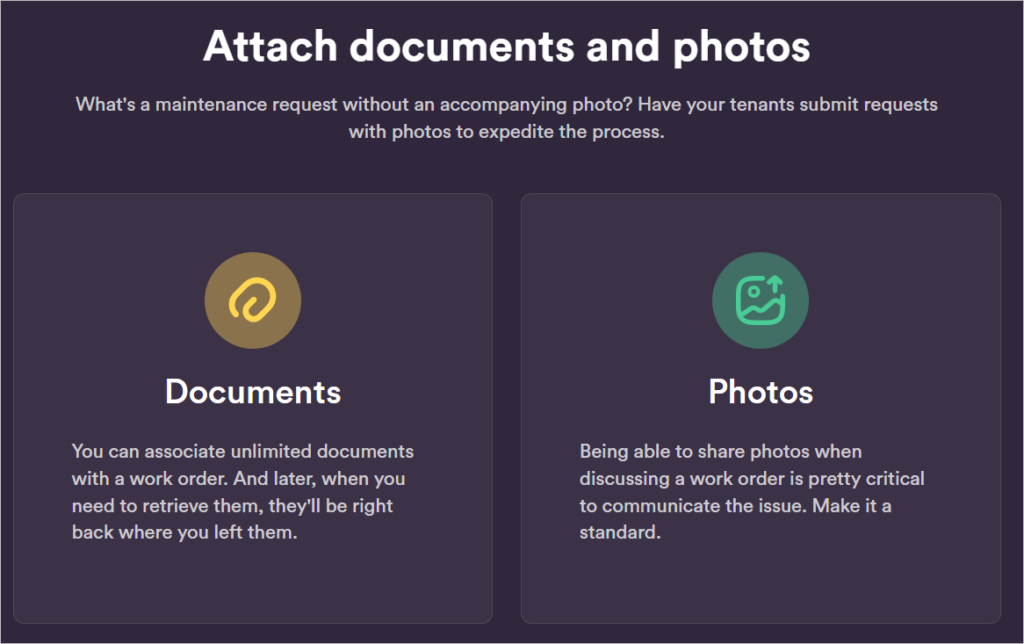
Maintenance tasks can slow down a vacation rental business, but RentPost keeps them organized from start to finish. Your guests can send in requests with photos, and you decide what details they must share.
You can assign each task to a vendor or team member, follow the progress, and keep all updates inside a small chat thread linked to the work order. Every photo, document, and expense stays stored in one place.
You can see the updates too, which reduces the usual back and forth. This makes repairs quicker and saves you time during busy seasons.
👉 Explore RentPost’s work order management tool for landlords and property managers.
3. Reliable Payments That Support Your Booking Flow
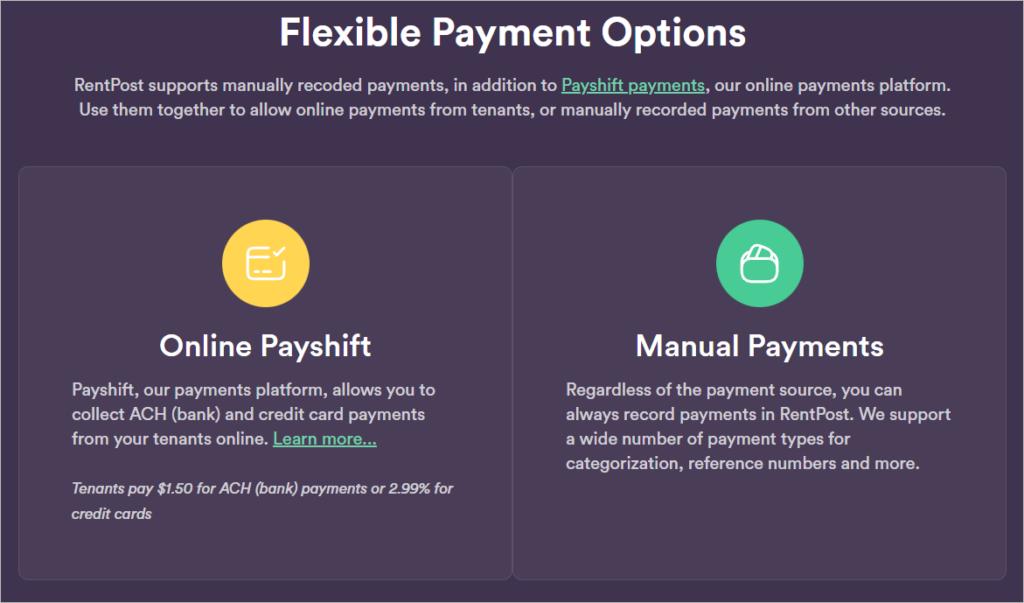
Payments play a big role in vacation rentals, and RentPost makes this part smooth for everyone involved. Visitors can pay using cards or ACH, and you can offer AutoPay, so monthly payments arrive on time.
Deposit details stay recorded automatically, which helps you stay organized and avoid confusion later. The system keeps your cash flow stable and makes your financial planning easier.
4. Easy Reporting for Clear Insights
RentPost gives you ready-made reports that show your income, expenses, repairs, and owner payouts in clean formats. This helps you spot trends, plan your next steps, and share updates with owners without spending hours preparing data. These clear insights make your business planning more confident and informed.
5. Centralized Communication for Faster Coordination
Messages, updates, and documents stay in one space, so no valuable time is left in searching through chats or emails. You, vendors, and renters stay connected through the platform, and every update is stored inside the right record. This cuts down on confusion and keeps your operations smooth.
6. Extra Tools That Strengthen Your Vacation Rental Planning
RentPost adds small features that make a big difference in your day-to-day planning. You get a simple dashboard that shows your most important updates at a glance. Everything runs in the cloud, so you can check payments, repairs, and tasks from anywhere.
Notifications keep you aware of new activity without digging for information. These touches help you manage your rentals with less effort and more control, giving you a smoother planning experience from start to finish.
💡 FURTHER RESOURCES
- Guide on Best types of Rental Property Investment
- Expert Tips for Staging Rental Properties
- Commercial Property Management
- Property Management Technology Trends
Final Thoughts
Running vacation rentals gets a lot easier when you know what drives your results. You get a sharper view of your money, your bookings, and the work that keeps your place running well. We walked through the steps that guide you from day one to long-term growth.
With the right approach and helpful tools like RentPost, you can build a rental setup that brings vacationers and strong returns all year.
👉 Start your free RentPost trial →
Find answers to common rental business questions 👇
How Profitable is a Vacation Rental Business?
A vacation rental can earn well when you pick the right location and keep the place clean and guests ready. You can make a stable income because travelers want homes that feel warm, private, and of course, friendly to their pocket. Peak seasons bring higher rates, and slow months still bring short stays. Good reviews also help you charge more. Overall speaking, profits stay strong over time with smart pricing and smooth operations.
How Many Properties do I Need to Start?
You can (and should) start with one property because it helps you learn the routine without stress. One place teaches you how bookings work, how guests behave, and how to handle small issues smoothly. You can add more later when you feel all set.
What Are the Risks in Vacation Rentals?
Vacation rentals have a few risks, such as guests damaging something, bookings dropping during off seasons, or local rules shifting and changing how you operate. If that isn’t enough, important repairs may also pop up at odd times and add surprise costs. But with proper systems and a small safety buffer, you can easily navigate most of these bumps.
How Can Software Improve My ROI?
Software keeps all your vacation rental tasks in one place, and that saves you a lot of time. For example, bookings, payments, and guest messages get handled in a few taps, so guests feel supported from day one. The calendar shows all bookings clearly, so chances of overlapping are less. Reports highlight your best nights and slow periods, helping you adjust prices with ease.
How Do I Estimate Startup Costs For a Vacation Rental Business?
Start by listing all basics, including but not limited to furniture, decor, and kitchen items. Then, add cleaning gear, linens, and small repairs. You’ll also need funds for listing photos, permits, and safety items, such as locks and smoke alarms.
Software or channel tools may sit in the budget as well, if you decide to use one. When you bring all numbers together, you’ll get a clear and honest picture of your business’s estimated cost.
What’s the Best Way to Manage Multiple Vacation Rental Properties?
The best way to manage multiple vacation rental properties is to use clear systems. One software for messaging, calendars, and cleaning plans keeps your day smooth. Checklists or SOPs help your cleaners follow the same routine every time, and a small local team makes quick fixes easier.
The result?
When pricing fits each location and season, all homes perform better. This keeps your workload light and your business strong.
Author