Log in
 Free Trial
 jacob-thomason
  65 views
  0
0
Many landlords deal with rising repair costs and tenant complaints because of poor upkeep. This leads to frequent breakdowns and lower rental value.
Property maintenance solves these issues by keeping your rental safe and functional.
In this guide, you will learn how regular care protects your investment, reduces stress, and keeps tenants satisfied.
What is Property Maintenance?
Property maintenance means taking regular care of your rental property so it stays safe, clean, and fully functional. It includes basic tasks like cleaning, fixing leaks, repairing wiring, and handling small wear and tear. Good maintenance helps you avoid costly repairs, keep tenants happy, and reduce vacancy.
It also protects your property’s value and keeps it rented for longer. So, when you maintain your rental properly, you protect your investment and boost its long-term value.
What Does Property Maintenance Service Include?
Property maintenance services include anything that’s needed to keep your rental well-maintained all year. These services handle both routine upkeep and unexpected repairs, so you don’t have to manage every little issue yourself. Here’s an overview of what’s usually included:
- Regular inspections: Check the property for safety issues, damages, or needed repairs.
- Plumbing and electrical maintenance: Fix leaks, replace wiring, or handle power issues quickly.
- HVAC servicing: Clean and maintain heating, cooling, and ventilation systems for efficiency.
- Painting and carpentry: Repainting walls, fixing doors, windows, or wooden fittings.
- Pest control: Prevent and treat infestations to keep the property hygienic.
- Landscaping and outdoor care: Maintain lawns, gardens, and exterior spaces.
- Cleaning and waste management: Ensure cleanliness in shared or vacant units.
- Emergency repairs: Handle urgent issues like burst pipes or electrical failures anytime.
These services help you save effort while keeping tenants satisfied.
What Maintenance Expenses Should Landlords Expect?
Maintenance expenses are a big part of managing any property because repairs, replacements, and general care are unavoidable. Understanding these expenses helps you plan better and avoid surprises later.
The following are the main maintenance costs every landlord should expect.
1. Routine Repairs and Replacements
Every property experiences wear and tear over time. Faucets leak, light bulbs burn out, and doorknobs loosen with daily usage. These small repairs may seem minor at first, but can add up if ignored. Regularly fixing small issues helps prevent major problems later. You may also need to replace items like smoke detectors, locks, or bathroom fixtures every few years to maintain safety and comfort.
2. Plumbing and Electrical Repairs
Plumbing and electrical systems need occasional attention because they’re used daily by tenants. Leaky pipes, clogged drains, or wiring problems are common issues. While some repairs are inexpensive, major plumbing or electrical work can cost more. It’s smart to have an emergency fund set aside for such essential repairs since they affect tenant safety and habitability.
3. HVAC System Maintenance
Heating, ventilation, and air conditioning systems require servicing at least once or twice a year. Cleaning filters, checking refrigerants, or repairing units ensures efficient performance. If an HVAC system breaks down, it can be costly to repair or replace, especially during peak seasons. Regular maintenance helps extend its lifespan and keeps tenants comfortable all year.
4. Roof and Structural Maintenance
The roof protects your entire property, and that’s why it deserves regular inspection. You might need to fix leaks, replace broken tiles, or repair drainage. Ignoring roof maintenance can lead to serious water damage, mold, or structural issues that are far more expensive to fix later. Similarly, foundation or wall cracks should be checked early to prevent larger structural repairs.
5. Landscaping and Exterior Care
Curb appeal matters, not just for attracting tenants but also for maintaining property value. Expenses here include lawn mowing, trimming trees, removing debris, and maintaining fences or pathways. If your property has shared outdoor areas, you might also spend on lighting, cleaning, or small decorative upgrades.
6. Pest Control
Pest infestations can damage property and create health risks. Regular pest control services help prevent issues with rodents, termites, and insects. Even if you don’t see visible pests, periodic treatment is wise, especially in humid or densely populated areas.
7. Painting and Interior Maintenance
Walls, doors, and interiors need repainting every few years to stay fresh. You may also need to fix loose flooring, replace worn-out carpets, or update fixtures between tenants. These cosmetic updates improve the property’s appeal and can justify a higher rent.
8. Emergency Repairs
Unexpected problems like burst pipes, electrical outages, or broken water heaters can happen anytime. Setting aside funds for emergency repairs keeps you prepared without financial stress.
In short, maintenance expenses are part of being a responsible landlord. Planning for these costs helps you maintain your rental efficiently, keep tenants satisfied, and protect your property’s long-term value.
Top 8 Strategies to Reduce Property Maintenance Costs
Property maintenance can eat up a big chunk of your rental income, but with a smart approach, you can cut down costs without compromising quality. Here are some proven strategies landlords can use to manage maintenance expenses more effectively.
1. Schedule Regular Inspections
Small issues become expensive only when ignored. Regular property inspections help you spot problems early before they turn into costly repairs.
Inspect your rental every 6-8 months or during tenant move-ins and move-outs. Check for leaks, cracks, pests, and broken fixtures. Create a simple to-do checklist, so you don’t miss anything. When you fix small issues on time, you avoid major expenses like water damage or electrical faults later.
2. Build Strong Relationships with Reliable Contractors
Working with trusted contractors can save both time and money. Instead of calling random handymen for every job, build long-term partnerships with reliable plumbers, electricians, and cleaning services.
They often offer discounts or priority service for regular clients, that’s YOU. You also get consistent quality and fewer repeat repairs. Keep a contact list of your preferred service providers and negotiate annual maintenance deals where possible.
3. Invest in Quality Materials and Fixtures
Cheap materials might save money upfront, but often cost more over time. A low-quality faucet or paint job can fail quickly and lead to repeated repairs. Instead, use durable products that last longer, such as weather-resistant paints, LED lights, and stainless steel fixtures.
While the initial cost might be slightly higher, these materials need fewer replacements and lower maintenance over the years.
4. Encourage Tenant Responsibility
Tenants can help you maintain your property if you set clear expectations from the start. Include basic maintenance duties in your lease agreement, such as cleaning, proper waste disposal, and reporting issues promptly.
When tenants notify you early about leaks or damages, you can fix them before they escalate. You can also offer small rewards for tenants who keep the property well-maintained; this encourages long-term care and mutual respect.
5. Create a Preventive Maintenance Schedule
Instead of waiting for things to break, plan regular servicing for all major systems. Schedule annual HVAC cleaning, plumbing checks, and pest control. Preventive maintenance keeps systems efficient and reduces energy costs, too.
For example, cleaning air filters regularly can extend the life of your air conditioning units and improve tenant comfort. A well-structured schedule saves you from surprise repair bills later.
6. Use Property Management Software
Property management software like RentPost helps you track maintenance tasks, schedule services, and manage repair requests easily. You can receive real-time updates from tenants and assign tasks to the right contractors directly from the app. This not only saves time but also prevents delays and miscommunication.
With automated reminders, you’ll never miss an inspection or service again.
7. Keep a Maintenance Reserve Fund
Unexpected repairs can be stressful when you don’t have funds ready. Set aside a small percentage of your monthly rent income, maybe 5% to 10%, for maintenance expenses. This fund acts as a financial cushion during emergencies like roof leaks or heating failures, so you don’t have to rely on credit or delay repairs.
8. Renovate Smartly, Not Frequently
Planning your property upgrades strategically is a must nowadays. Instead of full renovations, focus on small but effective improvements that add value. Repainting walls, changing cabinet handles, or upgrading lighting can refresh the space without spending much. Stick to neutral colors and timeless designs that won’t go out of trend soon. The less often you remodel, the more you save long-term.
Smart maintenance is less about spending less and more about spending wisely. With regular checks, dependable contractors, and the right tools, you can keep your property in excellent shape while protecting your rental profits.
How RentPost Helps in Property Maintenance?
Property maintenance can feel overwhelming at times, and it’s totally okay. RentPost is here for you to make it simple, organized, and stress-free. This all-in-one property management software helps landlords and managers handle maintenance requests, track work orders, and monitor expenses with ease.
Streamlined Work Order Management
RentPost lets you create, manage, and track work orders from one dashboard. Every maintenance request becomes a digital record that’s easy to follow through to completion. By organizing all requests in one place, you can prevent delays, reduce confusion, and ensure no task slips through the cracks.
Accept and Organize Tenant Requests
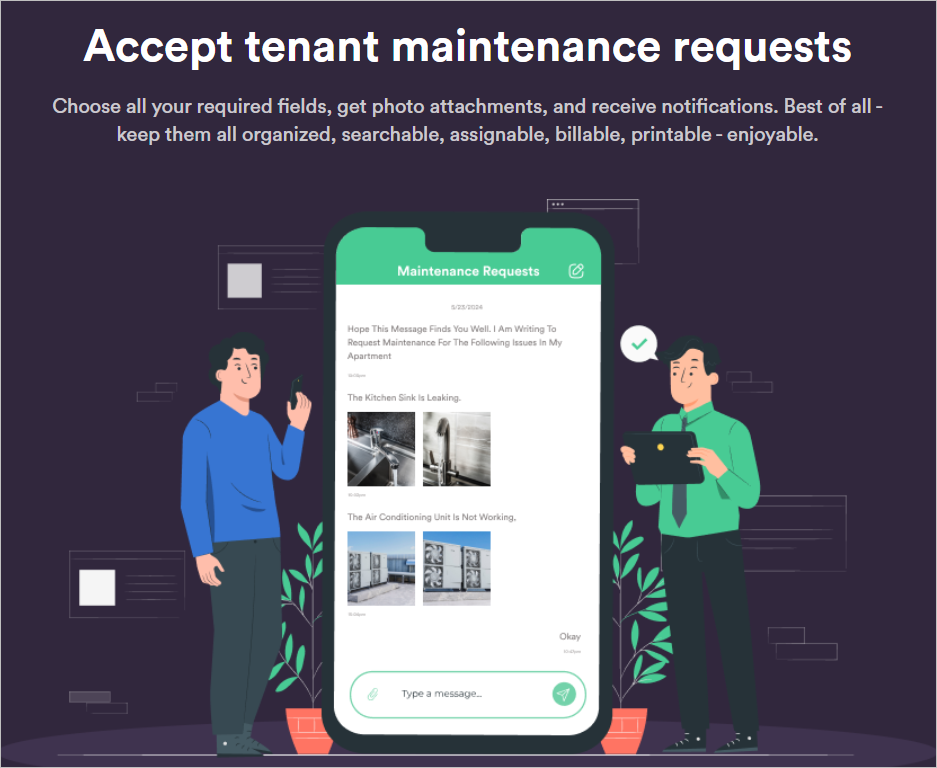
Tenants can submit maintenance requests directly through RentPost, complete with photos, notes, and priority levels. You’ll receive instant notifications and can easily search, sort, and assign these requests. This makes communication faster and keeps everything neatly documented.
👉 Explore RentPost’s property management features →
Customizable Workflow Pipeline
Every property operates differently, so RentPost allows you to design your own maintenance pipeline. Set default stages like Received, Assigned, In Progress, and Completed. This flexibility helps match your existing process and ensures smooth task tracking from start to finish.
👉 Explore Work Order Management Software by RentPost
Assign Tasks to the Right People
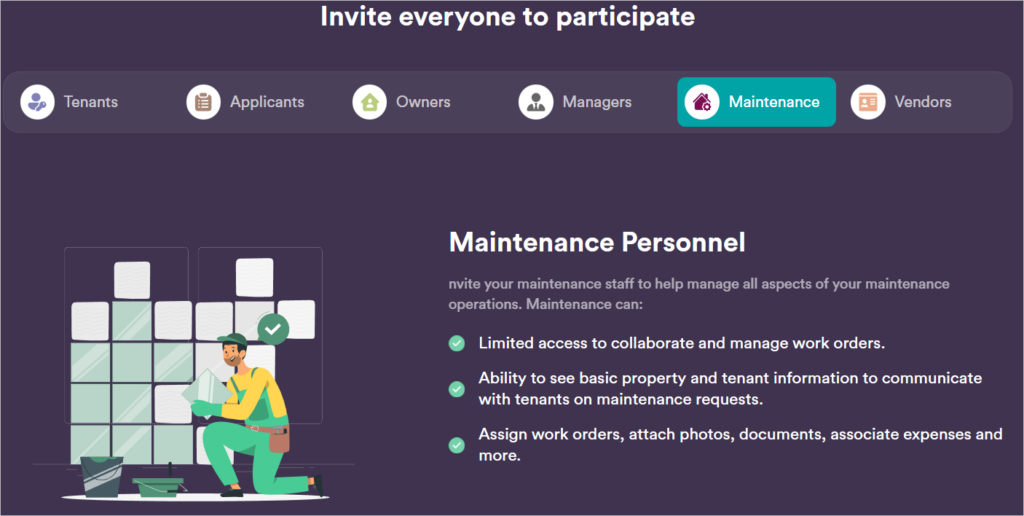
RentPost lets you assign work orders to maintenance staff, external vendors, or property managers. Everyone knows who’s responsible for what, reducing confusion. Vendors can even add comments, upload photos, and update progress directly in the system.
Built-In Communication and Collaboration
Each work order acts like a chat thread where you, your team, tenants, and vendors can discuss updates in real time. You control what’s visible to whom, perfect for internal notes or private messages.
Expense Tracking and Transparency
Last but not least, RentPost automatically records all maintenance costs. Owners and managers can view these in their accounts, keeping finances transparent and eliminating repetitive queries about expenses or statements.
Final words
Taking care of your rental is about more than just keeping things working. It’s about protecting your investment, building tenant trust, and creating lasting value. With clear planning, regular attention, and tools like RentPost, you can handle property needs with ease and confidence.
A well-kept property attracts reliable tenants, reduces stress, and ensures steady returns for years. In the long run, consistent care keeps both your property and business strong.
👉 Start your free RentPost trial
FAQs
How Much Should I Budget for Property Maintenance Per Year?
A common rule is to set aside around 1% of your property’s total value each year for maintenance. You can also budget 5% to 10% of your annual rental income. For example, if your property is worth $300,000, setting aside around $3,000 a year helps you stay prepared for any maintenance costs without financial stress. This covers small fixes, seasonal servicing, and emergencies.
What Maintenance Tasks Should Tenants Handle?
Tenants are usually responsible for small daily tasks like cleaning, changing light bulbs, and keeping the property tidy. They should also report any minor issues quickly to prevent bigger problems. Basic care such as waste disposal, lawn trimming, or checking smoke alarms, can be their duty, depending on your lease agreement. Clear communication helps avoid confusion and keeps everything in order.
How Often Should I Inspect Rental Units?
It’s best to inspect your rental units at least twice a year if not more. A quick mid-year and end-of-year check can help you catch wear and tear early. You can also schedule inspections during tenant move-ins or move-outs. Regular visits show that you care about the property and allow you to fix small issues before they grow into major repairs.
Can Property Management Software Lower Maintenance Costs?
Definitely, it can. Property management software like RentPost helps track maintenance requests, organize work orders, and manage vendor communication. You can respond faster, avoid delays, and prevent duplicate repairs. It also keeps all expenses in one place, making budgeting easier. Over time, these small improvements reduce costs, improve efficiency, and keep tenants more satisfied with quick resolutions.
What Records Should I Keep for Tax Purposes?
Always keep receipts and invoices for repairs, cleaning, or upgrades. Save service contracts, inspection reports, and any communication with vendors. These records help you claim tax deductions and prove your maintenance expenses if needed. Digital copies stored securely in property management software are even better, as they stay organized and easy to access during tax season.
Author