Log in
 Free Trial
 jacob-thomason
  801 views
  1
1
Rent prices in Texas are a major concern for both landlords and tenants in 2025. Unlike some states, Texas does not have rent control, meaning landlords can raise rent by any amount as long as they follow lease terms and notice rules.
On average, rent increases range from 4–10% per year, but in high-demand cities like Austin and Dallas, hikes of 15% or more are common. The timing of an increase depends on the lease. Month-to-month renters may see more frequent changes, while fixed-term leases only change at renewal.
This guide explains how much rent can be raised in Texas, notice requirements, new rental laws in 2025, and what tenants should know.
How Much Can a Landlord Raise Rent in Texas?
In Texas, landlords can raise rent by any amount, whether it is a small increase of 2–5% or a much larger jump, since the state has no rent control laws. On average, rents rise by about 4–5% per year, but actual increases vary depending on the city, market demand, and property costs.
Texas law does not cap rent hikes, though landlords must give proper notice before applying the change. Tenants should track local market trends to anticipate typical increases and review their lease agreements for specific notice periods.
Is There a Limit on Rent Increase in Texas?
In Texas, there is no legal limit on how much a landlord can raise rent, as long as they follow lease terms and do not discriminate.
For month-to-month rentals, a 30-day written notice is usually required. On average, rent increases in Texas range between 5–10% per year, but in high-demand cities like Austin or Dallas, hikes of 15% to even 50% have been reported.
For example, a $1,500 rent could rise 10% to $1,650, which is considered typical in many markets.
How Often Can a Landlord Raise Rent in Texas?
In Texas, a landlord can raise rent as often as the lease allows. For month-to-month renters, increases could legally happen every month with proper notice, though this is uncommon.
For fixed-term leases, such as a 12-month agreement, rent cannot be raised during the lease and can only change at renewal unless the lease states otherwise.
Rent Increase Notice in Texas by Government
Tenants must be provided with a written rent increase notice Texas at least 30 days’ prior to the date from which the new rent comes into effect. No rent hike is allowed for tenants on a fixed-term lease until it’s expired, or in the middle of the tenancy.
Can a Landlord Raise Rent More Than 10% in Texas?
Yes, a landlord can ask for a rent more than 10% in Texas. This is because the state doesn’t impose restrictions on the rent amount, allowing landlords to set rent freely and as per the market standards.
What Are the New Rental Laws in Texas 2025?
In 2025, Texas updated several rental rules. These changes affect how evictions work, how security deposits are handled, entry rights, quiet enjoyment, and late fee limits.
Below is what’s new, clear, and straightforward.
Eviction Law
Texas passed Senate Bill 38 on June 20, 2025, to speed up eviction cases, especially for unauthorized occupants (a.k.a. squatters), by tightening timelines and giving judges more tools to act fast. Landlords must issue a proper notice, typically a 3-day Notice to Vacate for unpaid rent or lease issues, or at least 30 days for month-to-month terminations.
The Texas House also passed a scaled-back eviction reform bill in May 2025 with an 85-44 vote. It limits “summary judgment” (evictions without trials) only to true squatter situations, and allows tenants who are late for the first timeto get 3 extra days to pay before eviction starts
Security Deposit Law
Texas doesn’t set a max limit on security deposits, so it’s up to what’s agreed in the lease. Landlords must return the deposit within 30 days after the tenant moves out of the property. If deductions are made, the landlord must also send an itemized list explaining what they’re deducting from the deposit and why. It’s also worth noting that deductions can only be for damage beyond normal wear and tear, unpaid rent, or lease-specified costs, not for cleaning or general painting.
If the security deposit isn’t returned or the reasons for deductions aren’t explained within 30 days, tenants may go to court.
Right of Entry Law
Texas doesn’t mandate a set notice time for landlords to enter the home, but the best practice is 24 hours’ heads-up unless it’s an emergency. Landlords must avoid cutting off the essential utilities (water, gas, and electricity) unless it’s for real repairs or an emergency. Doing so otherwise may let the tenant end the lease or seek damages, like actual losses plus one month’s rent plus $1,000, on top of legal costs.
Quiet Enjoyment Law
Tenants are entitled to live without interference from the landlord or others. This “quiet enjoyment” is implied in every lease, even if not explicitly written. It means the landlord shouldn’t disrupt the tenant’s peaceful use of the place. If they ignore it, say by entering too often, cutting utilities, or harassing you, the tenant can take legal action.
Texas law backs this up, so the tenant’s right to privacy and calm living is more than just polite, it’s legal.
Late Fees Law
How much can a landlord charge for late fees in Texas? Texas can charge any amount as late fees, but many landlords stick to around 10+12% of monthly rent as a typical cap. Without a legal cap, the fee must still be reasonable and clearly spelled out in the agreement. Courts generally reject fees that feel like punishment or a revenue source. If the lease says “$50 after 5 days,” that’s allowed, just make sure it’s fair, spelled out, and enforceable in writing.
Anti-Discrimination Law
The Fair Housing Act and Texas Department of Housing and Community Affairs (TDHCA) prohibits discrimination against tenants by landlords and real estate companies because of:
- Race
- Color
- Religion
- Sex
- National origin
- Income source
- Immigration status
- Familial status (presence of children under the age of 18 or pregnancy)
- Disability
- Disability Group Homes
How to Manage Your Rental Property and Rent Collection?
Managing properties and collecting rent can be a real headache, but the right software takes a lot of that stress away. It makes the whole process faster, smoother, and easier for everyone involved, i.e., property managers, landlords, and even tenants.
As one property manager put it on Reddit, “I’m a full time property manager with my own rentals. I tried doing my own properties manually and completely messed it all up. Tracking income and expenses is time consuming without software. Maintenance tracking is also huge. Long term record keeping and document management are other needs to have aspects that software will give you.”
A Reddit user summed it up perfectly when they shared their experience with a PMS: “Property management software saves so much time by automating tasks like rent collection and maintenance requests, plus it helps cut errors with better tracking and reports.”
Property management software turns a complicated job into a simple one. It streamlines tasks, minimizes headaches, and creates smoother relationships between landlords and tenants.
No matter the size of your portfolio, it keeps everything organized and stress-free.
How RentPost Helps Manage Your Rental Property and Rent Collection?
RentPost helps manage your rental property and rent collection. One user also says, “It’s streamlined for landlords who want easy rent collection, task management, and QuickBooks integration. Works well for scaling without getting too complicated.”
If you’re new to RentPost, here’s an overview of what this cloud-based property management tool can do:
- Real-Time Payment Tracking: With RentPost, easily track rent payments and outstanding balances in real-time with the status of each payment just a click away.
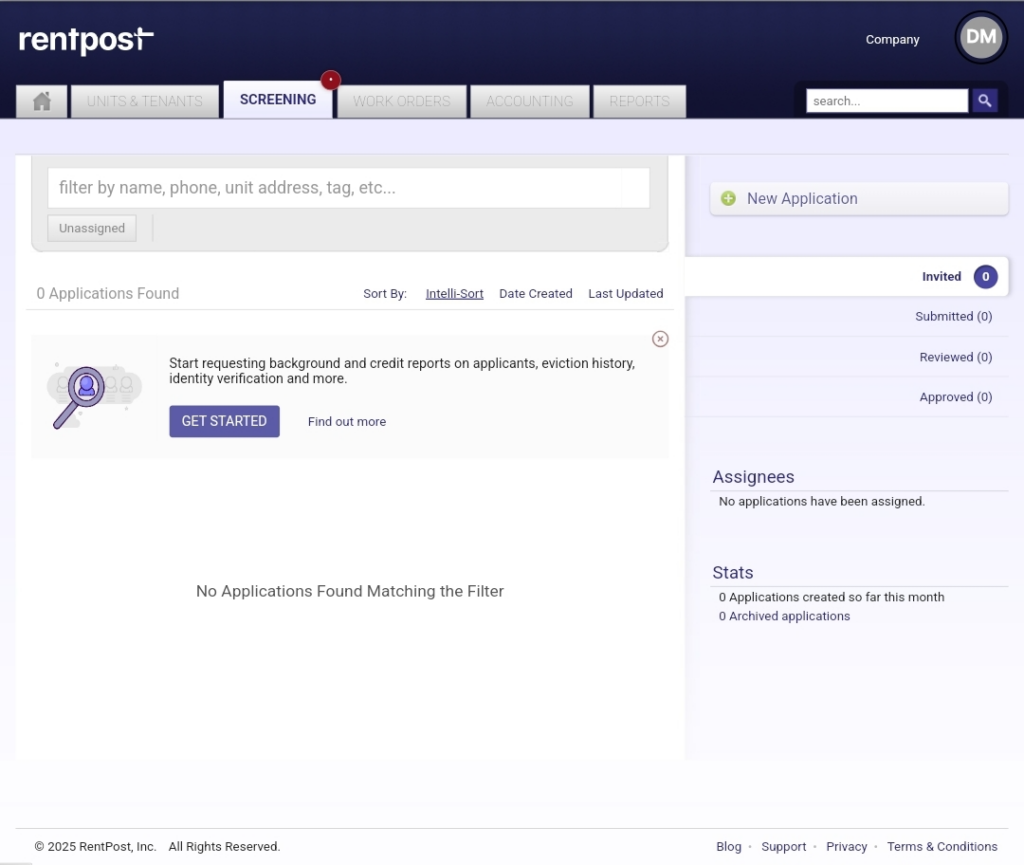
- Tenant Screening: Rent out your property to only trustworthy tenants after end-to-end screening that includes thorough background checks, credit checks, eviction history, identity verification, and more.
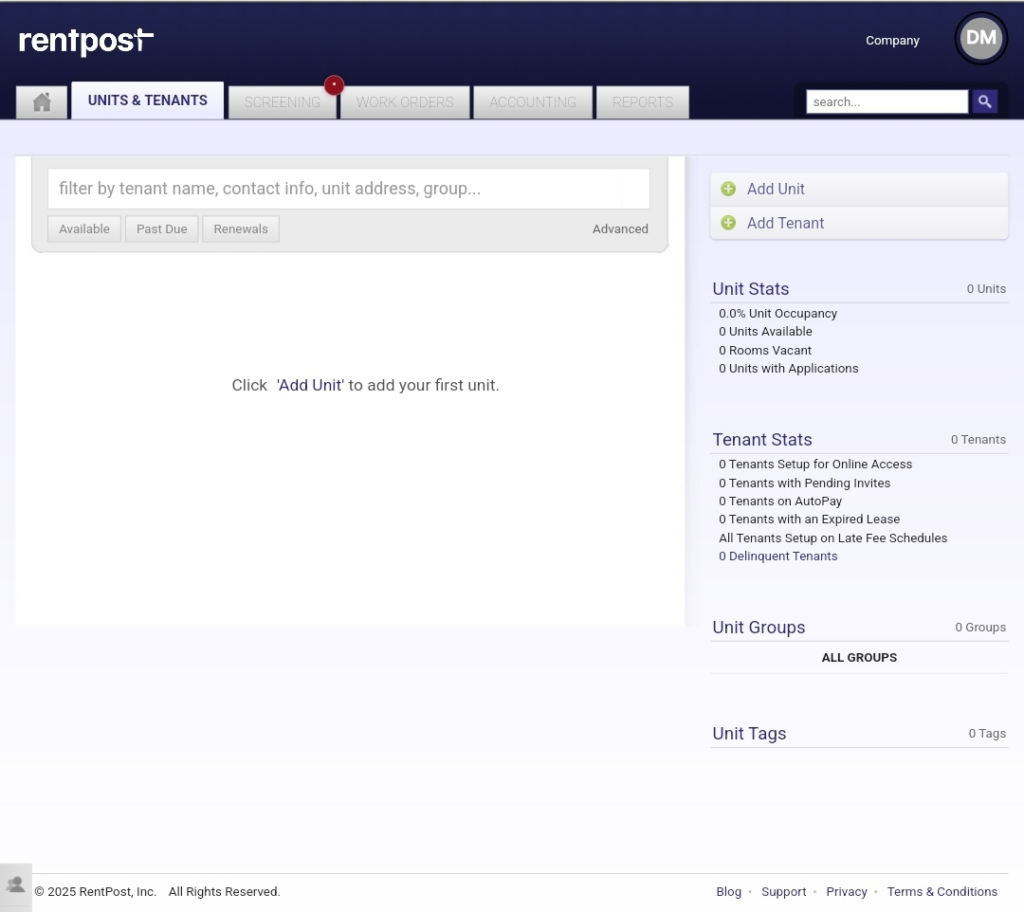
- Scalability: Add new units and tenants as your rental portfolio grows, and scale your business with minimal effort.
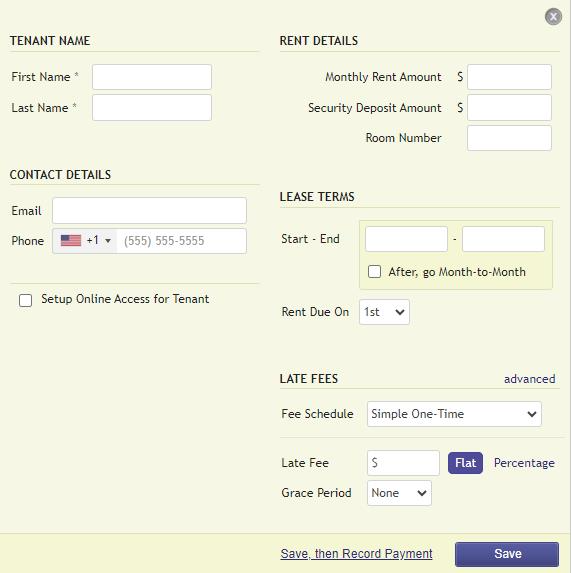
- Automated Payment Reminders: Automated payment reminders mean no more late rent payments. The PMS automatically calculates and applies late fees based on the schedules you define, so you never have to chase payments again.
- Work Order Management: Save time and money by streamlining work orders with RentPost. Accept maintenance requests from tenants, assign them to the respective maintenance personnel or managers, and the tool will take care of the rest.
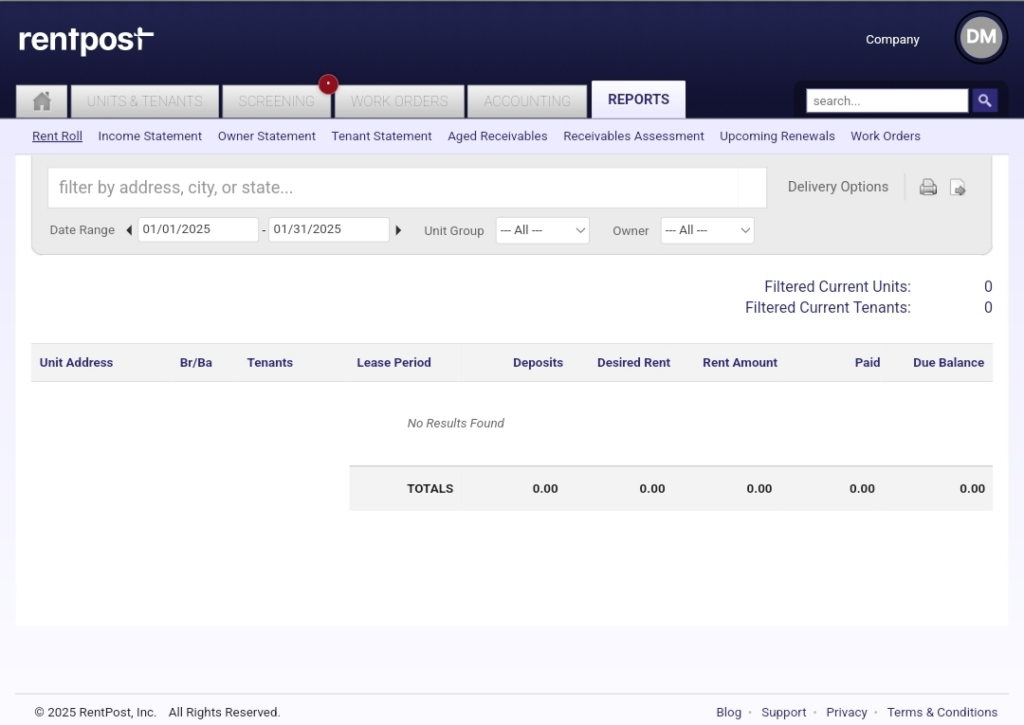
- Financial Report Generation: Get valuable insights into your apartment’s finances through income and expense reports. Identify the right time to adjust rent prices based on your property’s performance.
Explore rent laws in other regions of the US:
- How much can you raise rent in California?
- How Much Can You Raise Rent in New Jersey?
- How Much Can You Raise Rent In Florida?
- How much can you raise rent in NYC?
- How Much Can You Raise Rent in Oregon?
- How Much Can You Raise Rent in Los Angeles?
- How Much Can You Raise Rent in San Diego?
- How Much Can You Raise Rent in Pennsylvania?
- How Much Can You Raise Rent in Massachusetts?
- How Much Can You Raise Rent in Chicago?
- How Much Can You Raise Rent in Illinois?
- How Much Can You Raise Rent in Maryland?
- How Much Can You Raise Rent in Michigan?
- How Much Can You Raise Rent in Seattle?
Raise Rent in Texas: FAQs
Is There Rent Control in Texas?
No, Texas doesn’t have rent control. A landlord can raise rent as much as they want, as long as the lease allows it and proper notice is given. The state believes in a free market system, so rent amounts are left to landlords and tenants to agree on without government limits.
Is Texas a Landlord-Friendly City?
Texas is often called landlord-friendly because laws give landlords strong rights in evictions and rent setting. Eviction timelines are usually quick, and there’s no rent control. Tenants still have rights to safe housing and fair treatment, but the balance is more toward landlords compared to states with stricter rental rules.
Do Rent Increase Laws Apply to All Types of Properties in Texas?
Rent increase rules in Texas apply to most rental homes and apartments. Since there’s no statewide rent cap, landlords of houses, duplexes, and apartments can raise rent with proper notice. However, government-subsidized housing or Section 8 programs do have stricter rules, and landlords in those programs must follow federal or local guidelines.
Are There Exceptions to the Rent Cap in Texas?
In Texas, the only exceptions involve subsidized housing, where federal rules apply. Cities and counties also cannot create their own rent control unless the state gives permission, which has not happened. So in most cases, landlords are free to set the rent.
Can Rent be Increased During a Fixed-Term Lease in Texas?
No, a landlord can’t raise rent during a fixed-term lease unless the lease itself allows it. Rent stays the same until the lease ends. Once the lease period is over, the landlord may raise rent by giving proper notice. In a month-to-month lease, rent can go up with written notice, usually at least 30 days.
What Are Tenants’ Rights if They Can’t Afford a Rent Increase in Texas?
If a tenant can’t afford a rent increase, they have the right to end the lease when it expires and look for another home. They can also try to negotiate with the landlord for a smaller raise or payment plan. Texas law doesn’t require landlords to lower rent, but tenants always keep the right to choose.
What Happens if a Landlord Increases Rent Without Following the Law in Texas?
If a landlord raises rent without giving proper written notice or does it during a fixed-term lease without a clause allowing it, the increase isn’t valid under the law. A tenant can refuse to pay the extra amount. If the landlord pushes eviction, the tenant can use this as a defense in court and possibly recover legal costs.
Author