Log in
 Free Trial
 jacob-thomason
  189 views
  0
0
Virginia ranked as the 10th most expensive state to rent in 2025, with an average rent of about $1,800 for one-bedroom apartments.
This is up by $200 from the previous year and more than $500 higher than in 2019. If you’re planning to rent in the “Mother of States,” you may wonder whether any Virginia rent control law exists.
In this blog, you will learn exactly how much rent can be increased in Virginia, what notice landlords must give, and what the current state laws say about rent control, eviction, and tenant rights.
Table of Contents
How Much Can a Landlord Raise Rent in Virginia?
A landlord can raise rent in Virginia by any amount. It has no rent control regulations in place like other US states, which has led to a steep rise in rent over the past few years.
Average Rent Increase in Northern Virginia
According to various reports, the average rent in Northern Virginia is increasing at approx. 2.8% so far in 2025.
Arlington, Virginia Rent Increase Limit
Arlington, VA, has no restrictions on how much a landlord can raise rent, as Virginia itself doesn’t have any.
Is There a Limit on Rent Increase in Virginia?
There’s no limit on rent increase in Virginia, which allows landlords to decide on the new rent freely and without restrictions from the state government.
How Often Can a Landlord Raise Rent in Virginia?
A landlord can raise rent after the existing fixed-term lease ends, or with a proper notice in writing for month-to-month or yearly leases.
Rent Increase Notice in Virginia by the Government
The duration of the Virginia rent increase notice is 7 days for weekly leases, 30 days for month-to-month leases, and 60 days for leases longer than a month. For fixed-term leases, the rent cannot be increased in the middle of the lease term, unless the lease agreement allows it.
Can a Landlord Raise Rent More Than 10% in Virginia?
Yes, a landlord can raise rent by more than 10% in Virginia. This is because there’s no Virginia rent control bill to regulate rent; however, landlords are still required to inform the tenants in advance based on the lease type.
What Are the New Rental Laws in Virginia?
Virginia has updated several rental rules that every landlord and tenant should know. The changes cover important areas like eviction procedures, security deposits, and application fees. For those renting or managing property in Virginia, here’s what these new laws mean for you.
Eviction
In Virginia, a landlord must give the tenant written notice (e.g. 5 days for unpaid rent, or 30 days to cure lease violations) before filing for eviction. Then, they must go to court. After a judgment, the sheriff gives 72 hours’ notice before removing the tenant and their belongings.
Security Deposit
Landlords in Virginia may charge up to 2 months’ periodic rent as a security deposit (§ 55.1-1226). They must return the balance within 45 days after the termination date of the tenancy or the date the tenant vacates the dwelling unit, whichever occurs last, along with an itemized list of deductions. Deductions can be made for unpaid rent, damages beyond normal wear, or cleaning costs.
Application Fee
Virginia law (§ 55.1-1203) caps non-refundable application fees at $50, excluding third-party background or credit check costs. For public housing units regulated by HUD, the cap is $32. Landlords must also consider evidence of victims of domestic abuse when evaluating credit history.
The law also states:
“If the applicant fails to rent the unit for which application was made, from the application deposit the landlord shall refund to the applicant within 20 days after the applicant’s failure to rent the unit or the landlord’s rejection of the application all sums in excess of the landlord’s actual expenses and damages together with an itemized list of such expenses and damages.”
Implied Covenant to Quiet Enjoyment
This means a tenant has the right to use the rental property without undue disturbance from the landlord. Even if not spelled out in the lease, the landlord can’t interfere with the tenant’s peace, trespass, or disrupt essential services.
Confidentiality of Tenant Records
Landlords must keep tenant records (e.g., lease, deposit deductions, background checks) private and only share them when lawfully required (§ 55.1-1209). In Virginia, they should also keep itemized records of deposit deductions for at least two years.
Anti-Discrimination Law
The Fair Housing Act and Virginia’s Fair Housing Law prohibits discrimination against tenants by landlords and real estate companies because of:
- Race
- Elderliness
- Color
- Religion
- Sex
- National origin
- Income source
- Immigration status
- Familial status (presence of children under the age of 18 or pregnancy)
- Disability
- Disability Group Homes
How to Manage Your Rental Property and Rent Collection?
Managing your rental property and collecting rent can be a real headache. But once you set up the right systems, the job feels a lot less overwhelming. Clear due dates, a consistent way for tenants to pay, and rules you actually stick to make a huge difference. Add good property management software to that, and suddenly the tasks that used to eat hours, be it sending reminders, tracking payments, or logging repairs, run in the background.
As one property manager put it on Reddit, “I’m a full time property manager with my own rentals. I tried doing my own properties manually and completely messed it all up. Tracking income and expenses is time consuming without software. Maintenance tracking is also huge. Long term record keeping and document management are other needs to have aspects that software will give you.”
Communication also matters more than you think. Tenants want to know if their payment went through, when a repair will be handled, or simply that their request has been heard. A quick confirmation or update can prevent misunderstandings and build trust. And keeping neat records of income, expenses, and documents isn’t just about staying organized, it’s about protecting yourself and knowing exactly how your properties are performing.
Another Reddit user summed up their experience with a PMS: “Property management software saves so much time by automating tasks like rent collection and maintenance requests, plus it helps cut errors with better tracking and reports.”
With clear rules, good two-way communication, and the right tools, property management turns into a steady routine. And that’s when you can actually step back and enjoy the business instead of just chasing after it.
How RentPost Helps Manage Your Rental Property and Rent Collection?
RentPost, a leading cloud-based property management software, helps manage your rental property and rent collection. One user also says, “It’s streamlined for landlords who want easy rent collection, task management, and QuickBooks integration. Works well for scaling without getting too complicated.”
If you’re new to RentPost, here’s an overview of what this PMS can do:
- Real-Time Payment Tracking: With RentPost, easily track rent payments and outstanding balances in real-time with the status of each payment just a click away.
- Tenant Screening: Rent out your property to only trustworthy tenants after end-to-end screening that includes thorough background checks, credit checks, eviction history, identity verification, and more.
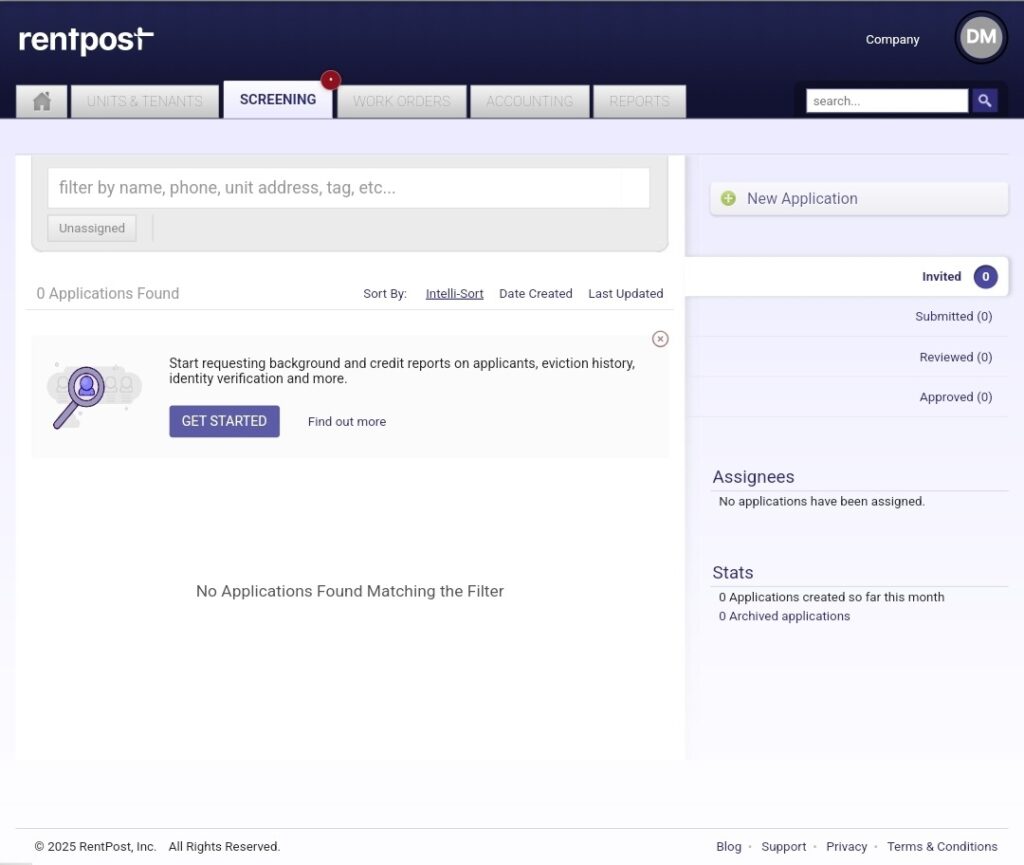
- Scalability: Add new units and tenants as your rental portfolio grows, and scale your business with minimal effort.
- Automated Payment Reminders: Automated payment reminders mean no more late rent payments. The PMS automatically calculates and applies late fees based on the schedules you define, so you never have to chase payments again.
- Work Order Management: Save time and money by streamlining work orders with RentPost. Accept maintenance requests from tenants, assign them to the respective maintenance personnel or managers, and the tool will take care of the rest.
- Financial Report Generation: Get valuable insights into your apartment’s finances through income and expense reports. Identify the right time to adjust rent prices based on your property’s performance.
Explore rent laws in other regions of the US:
- How much can you raise rent in California?
- How Much Can You Raise Rent in New Jersey?
- How Much Can You Raise Rent In Florida?
- How much can you raise rent in NYC?
- How Much Can You Raise Rent in Oregon?
- How Much Can You Raise Rent in Los Angeles?
- How Much Can You Raise Rent in San Diego?
- How Much Can You Raise Rent in Pennsylvania?
- How Much Can You Raise Rent in Massachusetts?
- How Much Can You Raise Rent in Chicago?
- How Much Can You Raise Rent in Illinois?
- How Much Can You Raise Rent in Maryland?
- How Much Can You Raise Rent in Michigan?
- How Much Can You Raise Rent in Seattle?
- How Much Can You Raise Rent in Texas?
Raise Rent in Virginia FAQs
Is There Rent Control in Virginia?
No, there’s no rent control in Virginia. Landlords can raise rent by any amount once a lease ends. However, they must give proper written notice, usually 30 days for month-to-month leases. The state relies on the open market to decide rent levels, which means rent can rise quickly in high-demand areas.
Is Virginia a Landlord-Friendly City?
Yes, Virginia is considered landlord-friendly. Since there’s no rent cap, landlords have freedom in setting prices, and eviction laws tend to move quickly if rent is unpaid. However, landlords must follow the Virginia Residential Landlord and Tenant Act, provide safe housing, and respect notice periods. So, while flexible, it is not without rules.
Do Rent Increase Laws Apply to All Types of Properties in Virginia?
Rent increase rules apply mainly to residential properties covered under the Virginia Residential Landlord and Tenant Act. This includes most apartments and rental homes. But some exceptions exist, such as motels, college dorms, and short-term rentals. So, while most renters are protected by the same notice requirements, a few categories fall outside these laws.
Are There Exceptions to the Rent Cap in Virginia?
Virginia has no rent cap at all, so exceptions technically don’t apply. However, landlords cannot raise rent for discriminatory reasons, such as race or religion, and they cannot retaliate against tenants for reporting problems.
Can Rent be Increased During a Fixed-Term Lease in Virginia?
No, landlords generally cannot raise rent during a fixed-term lease. The amount is locked until the lease ends. However, if the written lease clearly allows mid-lease increases, then both sides must follow that agreement. Otherwise, rent hikes only apply once the lease expires, giving tenants protection for the entire contract term.
What Are Tenants’ Rights if They Can’t Afford a Rent Increase in Virginia?
Tenants can negotiate with their landlord, request more time, or choose to move at the end of the lease. If the increase feels retaliatory or discriminatory, they can challenge it legally.
What Happens if a Landlord Increases Rent Without Following the Law in Virginia?
If a landlord raises rent without giving proper notice or in violation of the lease, the increase is invalid. Tenants can refuse the higher payment and seek legal help. Courts may even order landlords to roll back the rent or face penalties.
Author